by Lance Hill | Mar 12, 2024 | How To, Mirliton
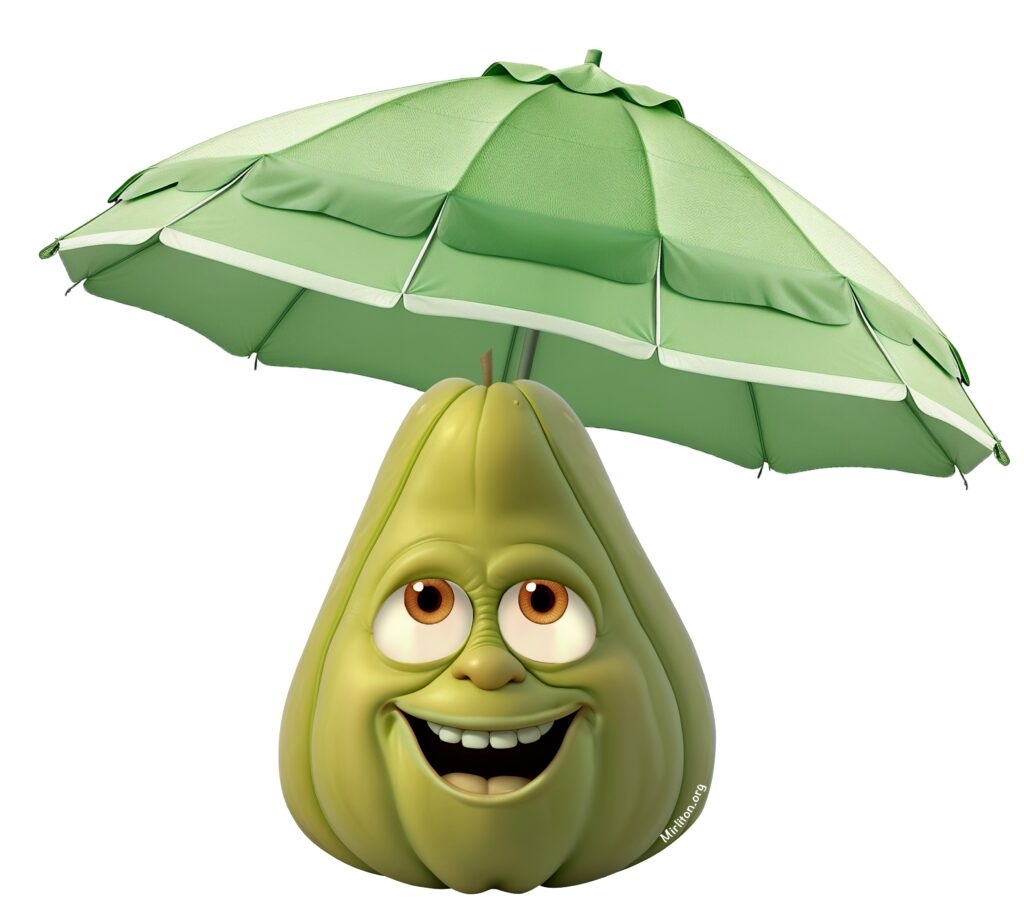
I used to believe that mirlitons could be grown in full sun. Not anymore. Intensive heat waves in the last few summers destroyed most vines that had been grown in full sun. The only ones that survived were in natural shade or had shade cloths. We learned the hard way that mirlitons need partial shade when the heat is prolonged above 93 degrees. That, along with substantial ground irrigation, can get us through another Heat Dome or intensive heat wave.
We also discovered that shade cloths may increase the amount of fruit that the vine produces! Not only does shade protect the vine from solar radiation and make it healthier, but it also makes it more bountiful.
Build your trellis so you can easily mount a shade cloth over the vine.
It can be thrown over the vine or mounted over it. Shade cloths come in different shading percentages, and we recommend 40% cloth with grommets so it does not blow away. They are available on Amazon and at most big-box stores. Shop around online to find one that will last for years. An Amazon link is here.
Shade cloths are only for extreme weather events. You won’t need it unless there is a heatwave with temperatures above 93° for several consecutive days. Too much shade, especially in the spring and early summer, can be detrimental to the vine. The leaves need sunlight for photosynthesis, which provides energy for the plant. Sunlight is a natural fungicide that prevents some plant diseases. Moreover, full sun also dries and hardens the leaves, making it more difficult for the fungi that cause powdery mildew and anthracnose to get a foothold on the vine.
by Lance Hill | Feb 18, 2024 | How To, Mirliton
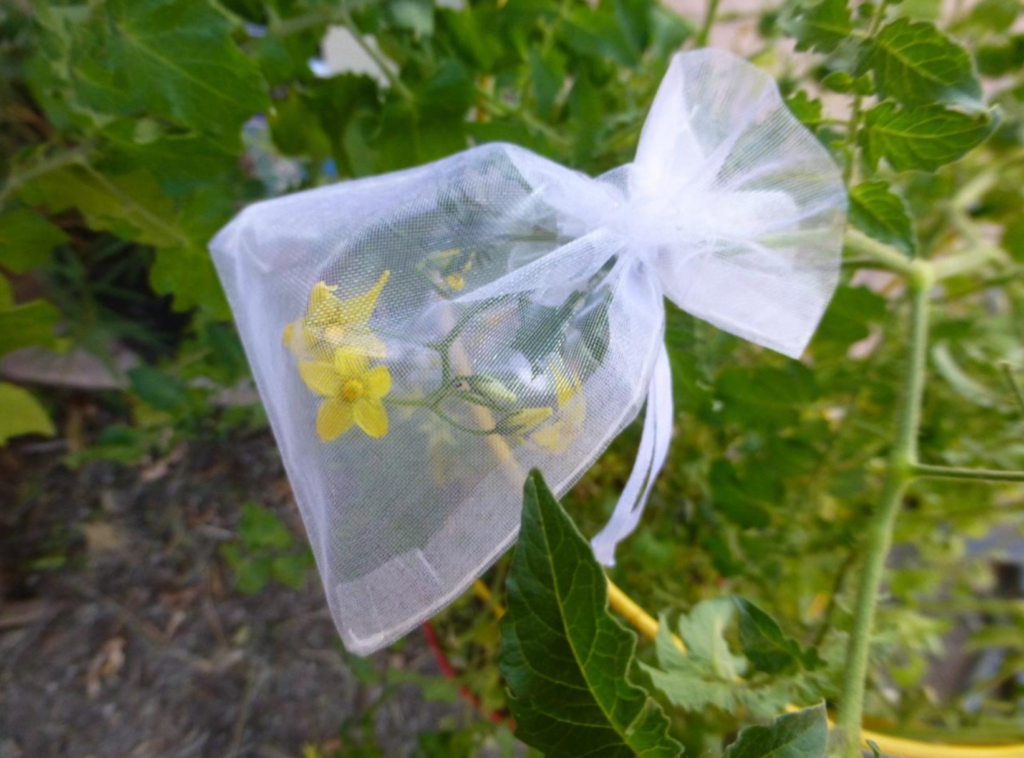
There are no scientific studies on cross-pollination in mirlliton varieties, so we can’t speak with any certainty about the chances of cross-pollination. Mirlitons are self-pollinating plants and are primarily pollinated by bees. Honey bees are systematic foragers; they will focus on one plant until they have collected all the nectar. That means they are less likely to carry pollen from another plant, thus reducing the risk of cross-pollination.
Because of this, generally, you can grow two different varieties with little risk of cross-pollination. If you grow only one variety at a time, you will have even less risk. But if you want to ensure that the offspring of a plant will be true-to-type, there is a simple way to do that: controlled pollination.
Using controlled pollination will guarantee that the specific fruit you picked from your vine will grow the same variety. Click here to see how to do it.
by Lance Hill | Dec 24, 2023 | How To
 Lee Flynn created and manages the Mirliton Seed Online Store, which she does as a volunteer. The store sells only certified Louisiana Heirloom Mirlitons. They are sold at cost, depending on the price that the grower charges (some are donated). Mirlitons are only available in season, and the quantity per order is limited so that everyone can obtain one. If we are out of stock, you will be put on a waiting list and be notified immediately when available. Click here for the store.
Additionally, people advertise heirloom mirlitons when they are in season (Spring and Fall) on our Mirliton.Org Facebook Group.

by Lance Hill | Oct 17, 2023 | How To, Mirliton
The Louisiana Mirliton Two-Step
Because of increased extreme weather events like Heat Domes and frequent hurricanes, we need to think entirely differently about when and how to grow mirlitons. We have two chances at a mirliton crop: Spring and Fall. We need to especially take advantage of our cool months, October through May.
Step One
Plant your mirliton seed or container plant in the fall and build a trellis for the vine to grow on all winter. When necessary, temporarily cover it with 4-mil plastic and warm it with a portable heater to protect it on frost/freeze days. By the following spring, the vine will have a large canopy to support flowering–and you will get a spring crop.
Step Two
To help your vine get through the summer, use the same trellis to support a 30% shade cloth to shade the vine from June through August, if necessary. That will give you a a good chance at another crop in the Fall
10’ X 25’ 4-mil plastic sheets
Space Heater
Shade Cloth
Remote Thermometer for Enclosure
by Lance Hill | Apr 30, 2023 | How To, Mirliton
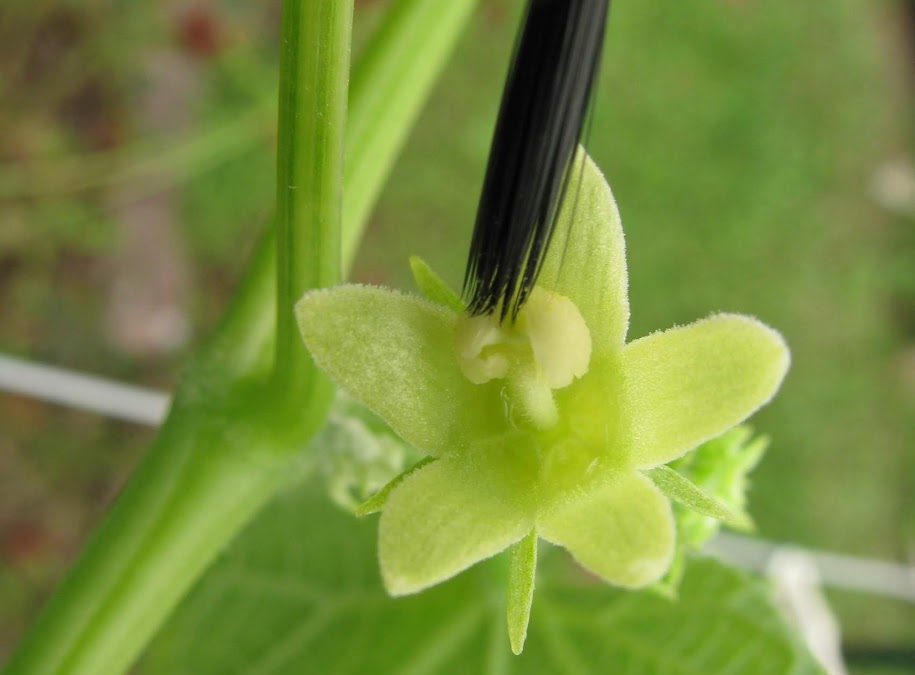
Sometimes bees and other pollinators are not doing their job, and you want to ensure that your female flowers are pollinated. Gardeners are often advised to remove male flowers and apply them to the females. But this destroys the male nectar, which attracts pollinators. Instead, the simplest way is to hand-pollinate with a slender artist’s brush with dark horse hair bristles (the nylon brushes won’t work). The bristles make it clear that you have collected yellow pollen from the males. Using a brush means you do not destroy the males and can return to them for additional pollen.
Click here to see how to do it.
Recent Comments