Made In the Shade: Shade Cloths Protect Mirlitons and Increase your Harvest!

by | Mar 12, 2024 | How To, Mirliton | 0 comments


I used to believe that mirlitons could be grown in full sun.  Not anymore.  Intensive heat waves in the last few summers destroyed most vines that had been grown in full sun.  The only ones that survived were in natural shade or had shade cloths.  We learned the hard way that mirlitons need partial shade when the heat is prolonged above 93 degrees.  That, along with substantial ground irrigation, can get us through another Heat Dome or intensive heat wave. 

We also discovered that shade cloths may increase the amount of fruit that the vine produces! Not only does shade protect the vine from solar radiation and make it healthier, but it also makes it more bountiful. 

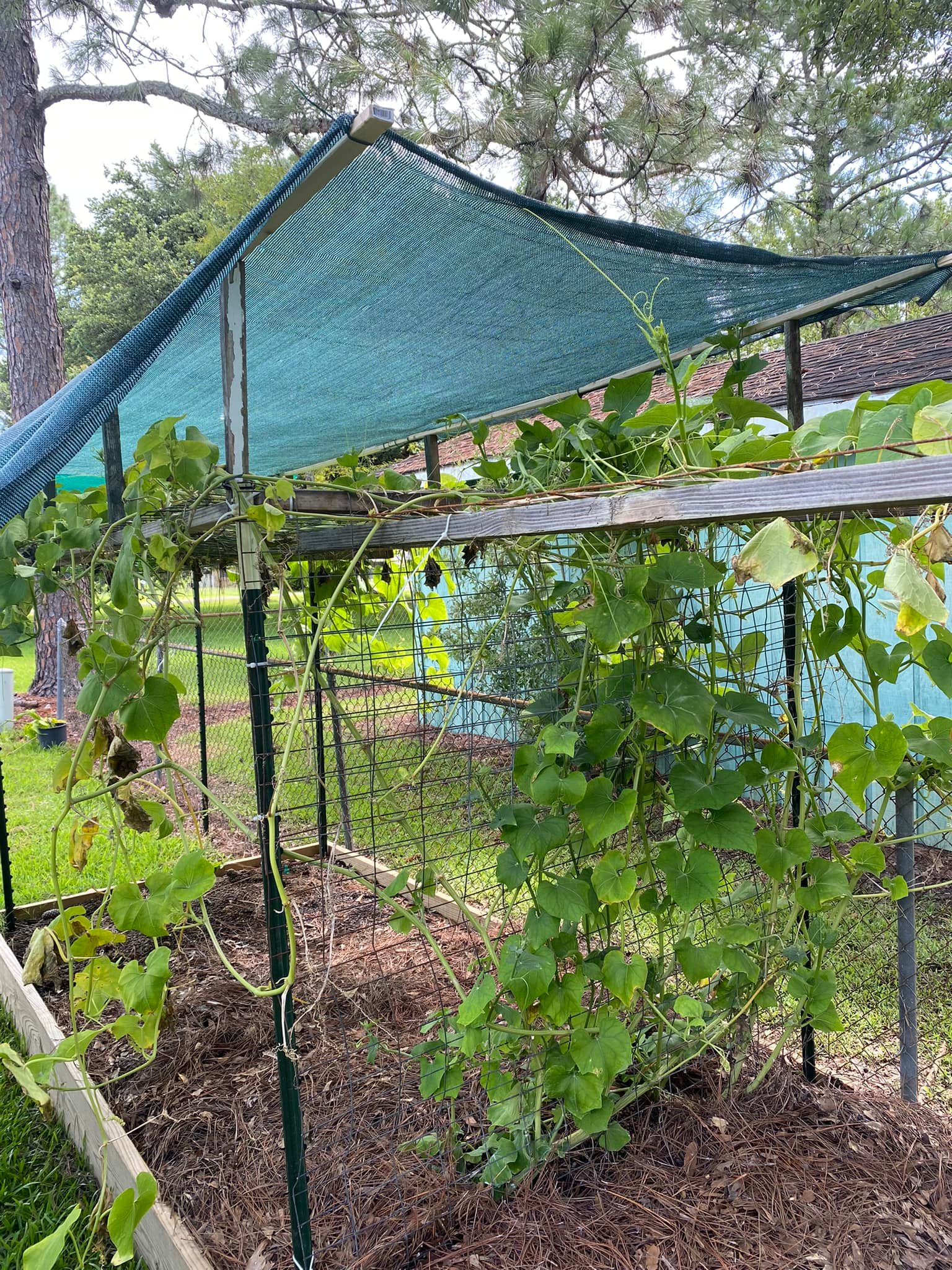
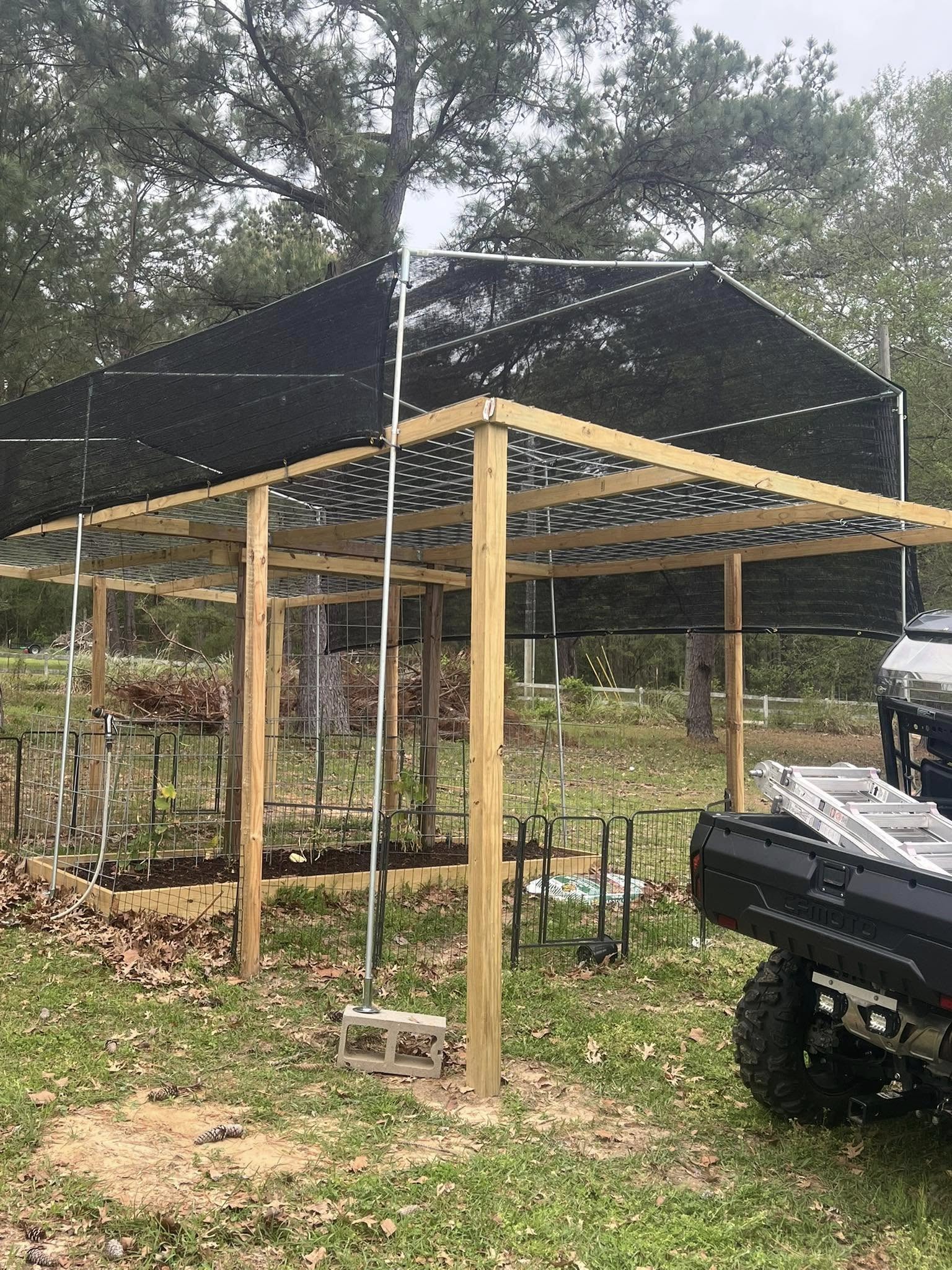
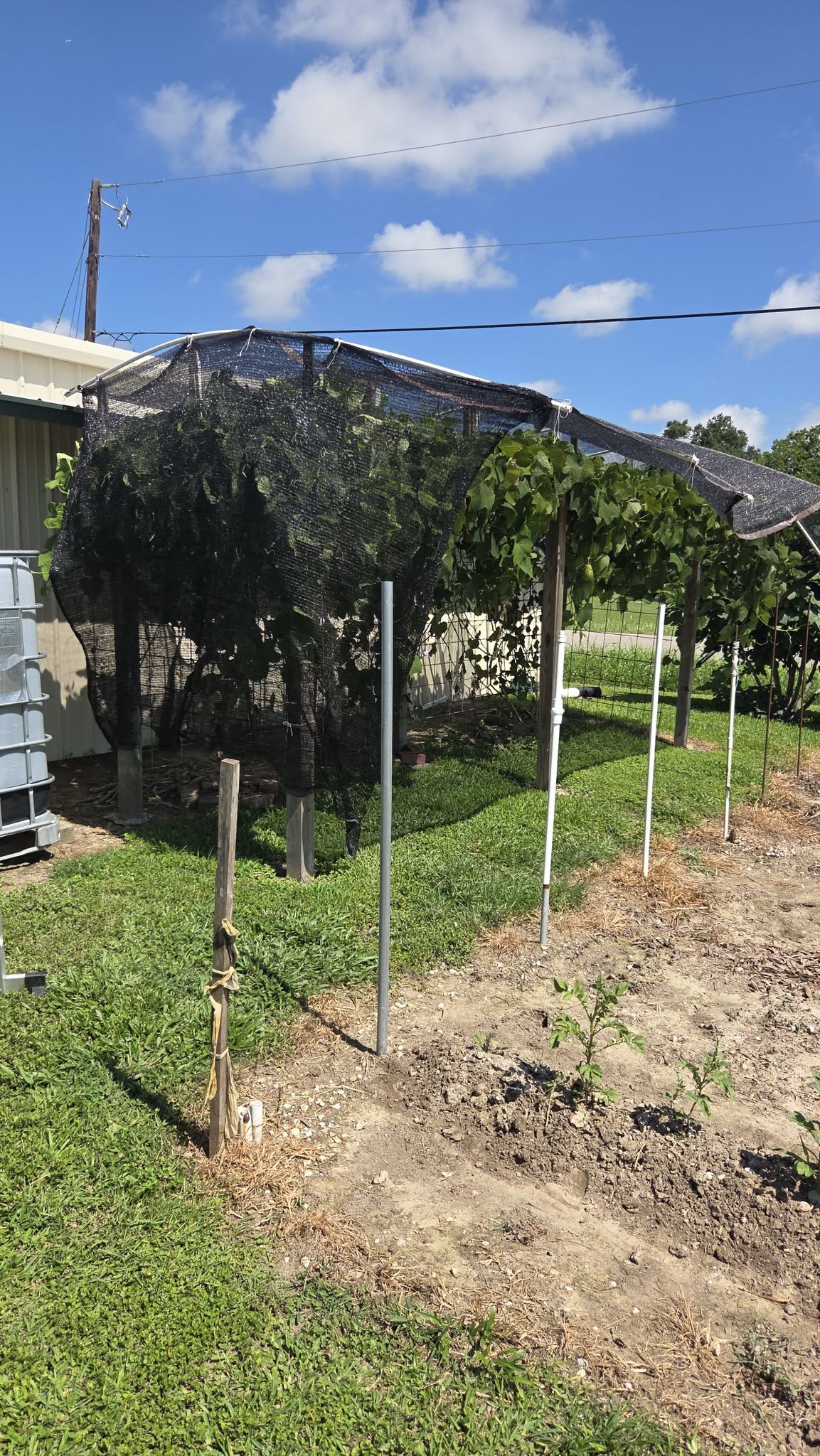
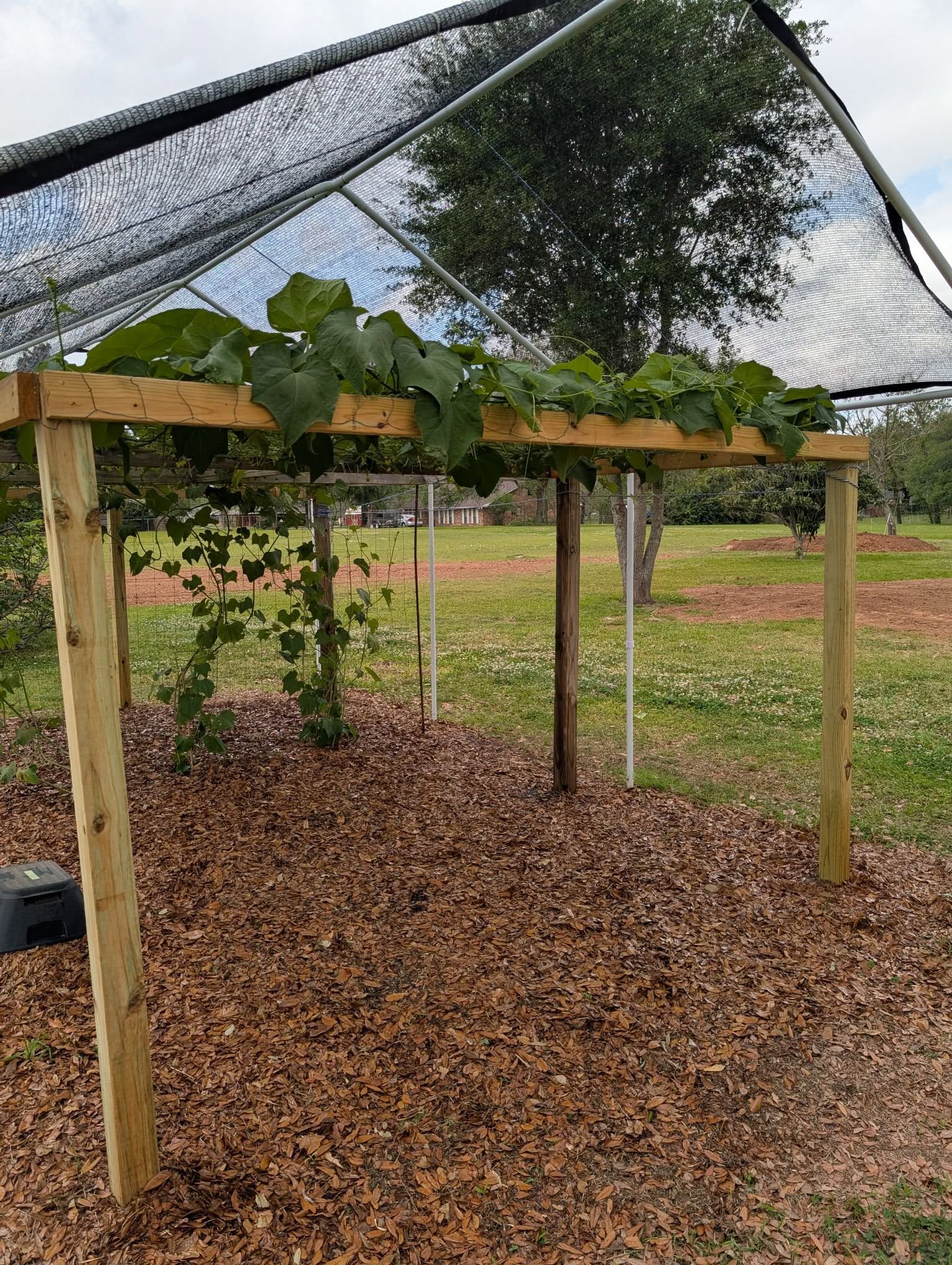
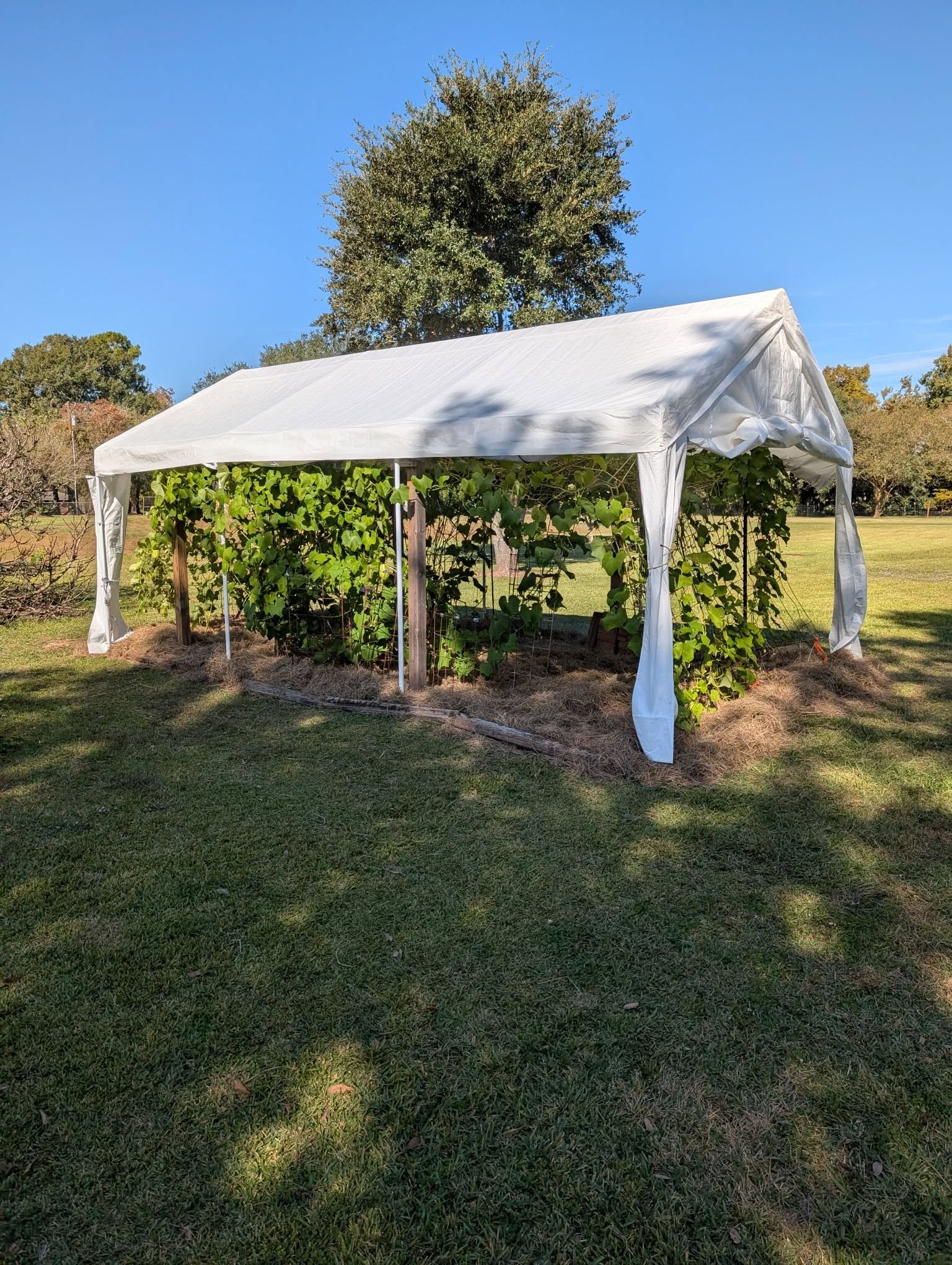
Build your trellis so you can easily mount a shade cloth over the vine.  

It can be thrown over the vine or mounted over it. Shade cloths come in different shading percentages, and we recommend 40% cloth with grommets so it does not blow away. They are available on Amazon and at most big-box stores.  Shop around online to find one that will last for years. An Amazon link is here.

Mount the shade cloth at least 24″ above the main trellis so that the vine can still grow unimpeded.

Shade cloths are only for extreme weather events. You won’t need it unless there is a heatwave with temperatures above 93° for several consecutive days. Too much shade, especially in the spring and early summer, can be detrimental to the vine. The leaves need sunlight for photosynthesis, which provides energy for the plant. Sunlight is a natural fungicide that prevents some plant diseases. Moreover, full sun also dries and hardens the leaves, making it more difficult for the fungi that cause powdery mildew and anthracnose to get a foothold on the vine.

Recent Posts

Mirliton Waterlogging: Symptoms and Quick Treatments

Mirlitons don't like wet feet. They spent some 26 million years evolving on the mountainsides of Mexico and Central America, where rain races downhill and barely gets a chance to soak into the porous slope soil before it's gone. Our job as growers is to recreate those...

How We Diagnose Mirliton Diseases and Problems

Overview: As most of you know, I provide free diagnosis and treatment for mirliton plant diseases and problems to this group. I’m also training Tedra Stanley and Michelle Impastato Glore to do the same. I’m not a formally trained plant pathologist, but have learned...

DeBay Hydroponic Method for Growing Mirlitons (Chayote)

  A Cool Weather Hydroponic Method of Growing Mirliton (Chayote) Vines and Fruit in a 55 Gallon Blue Barrel Perfected use of “Kratky Method” by William DeBay, on location in Haverhill, Florida The following method was used in a 95-day period from January 10,...

How to Use a Soil Sampler to Prevent Watering Problems in Mirlitons

If you felt feverish and wanted to check your temperature, you wouldn't guess; you would get a thermometer and take your temperature. Your garden soil is no different, and we now have a way to determine exactly how much soil moisture your mirliton has available: the...

Checklist for Transplanting a Containerized Mirliton Plant

  Checklist for Transplanting a Containerized Mirliton Plant ✔ Harden off the potted plant before transplanting--or erect a shade cloth for the first week ✔  Plant in fast-draining,  composted soil ✔  Add manure or slow-release fertilizer ✔ ...

Vineguard: Protection From Sun, Rain, and Frost.

  Here’s an idea. Design an arched trellis structure to protect mirlitons from excessive rain, solar radiation, and cold. I call it a Vineguard. It can be used to shunt rain away from the beds, shield the vine from intense heat, and protect it from frost. ...