How To Grow A New Mirliton Seed
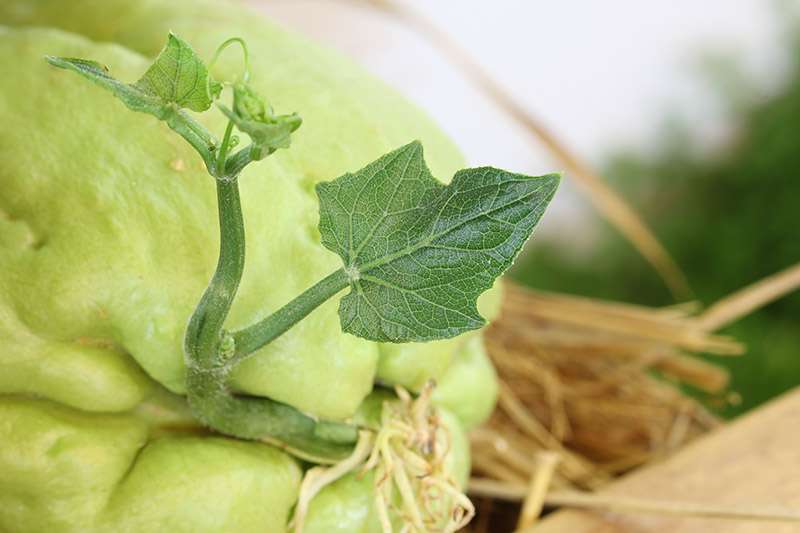
Sprouted Mirliton
If you have just harvested or obtained a new seed, you have two options: (1) store it as a sprout for several months, or (2) overwinter it in a 3-gallon container.
To store it as a sprout, place it in a cool, dark location in a brown paper bag, and it will sprout and remain viable for several months. You could then plant it in the ground in March.
However, we recommend that you get the plant growing in a container as soon as possible, because that will create a strong root ball for transplanting in March and produce a spring crop! To achieve a spring harvest and a strong plant going into the next summer, you will need to sprout the seed and immediately plant it in a 3-gallon container.
Here are the steps:
1. Mirlitons should be sprouted (germinated) before planting. If your mirliton has not sprouted, (fig. 1) place it horizontally on top of the refrigerator– the warmest part of your house. If it does not sprout within two weeks, you should speed up the process by “incubating” the sprout (explained here)

Fig. 1. Unsprouted mirlitons.
2. If your mirliton has already begun to sprout (tongue sticking out) (fig. 2), you are ready to overwinter it to help it develop a root ball.

Fig. 2. Sprout first emerges (above) and shoots extending (below). These are ready to plant.

3. Over-wintering: Once your mirliton is sprouted, you plant the whole fruit at a 45-degree angle about 2/3 of the way down with the sprouting end down in a 3-gallon plastic or cloth container filled with good potting soil (fig. 3). Water thoroughly the first time. Mirlitons don’t need much water during the overwintering. Here’s how to use a bamboo skewer to test soil moisture. Or you lift the container slightly every few days to gauge if the soil is drying out, and only water if it is noticeably light. David Hubbell has an excellent video on overwintering a mirliton here.

Fig. 3. Sprout planted “sprouting end down” at a 45-degree angle with about 2/3 underground in a 3-gallon container.
4. Trellising: Use a 24” – 36″ tomato cage as a trellis. Let it climb the cage, but you can safely prune it back to keep it compact—a plant in a 3-gallon container can last for up to a year (see diagram below). Overwinter it inside in a sunny area. Or, if the weather permits, you can keep it outside in full sun and bring it in when there is a risk of frost or freeze. You can also store it inside using grow lights (natural light or a full-spectrum grow light set to sunrise and sunset). The goal is to develop a good root ball. When you transplant it into the ground in the spring, you can unwind the vine from the tomato cage and attach the canopy to your garden trellis (see the images below).
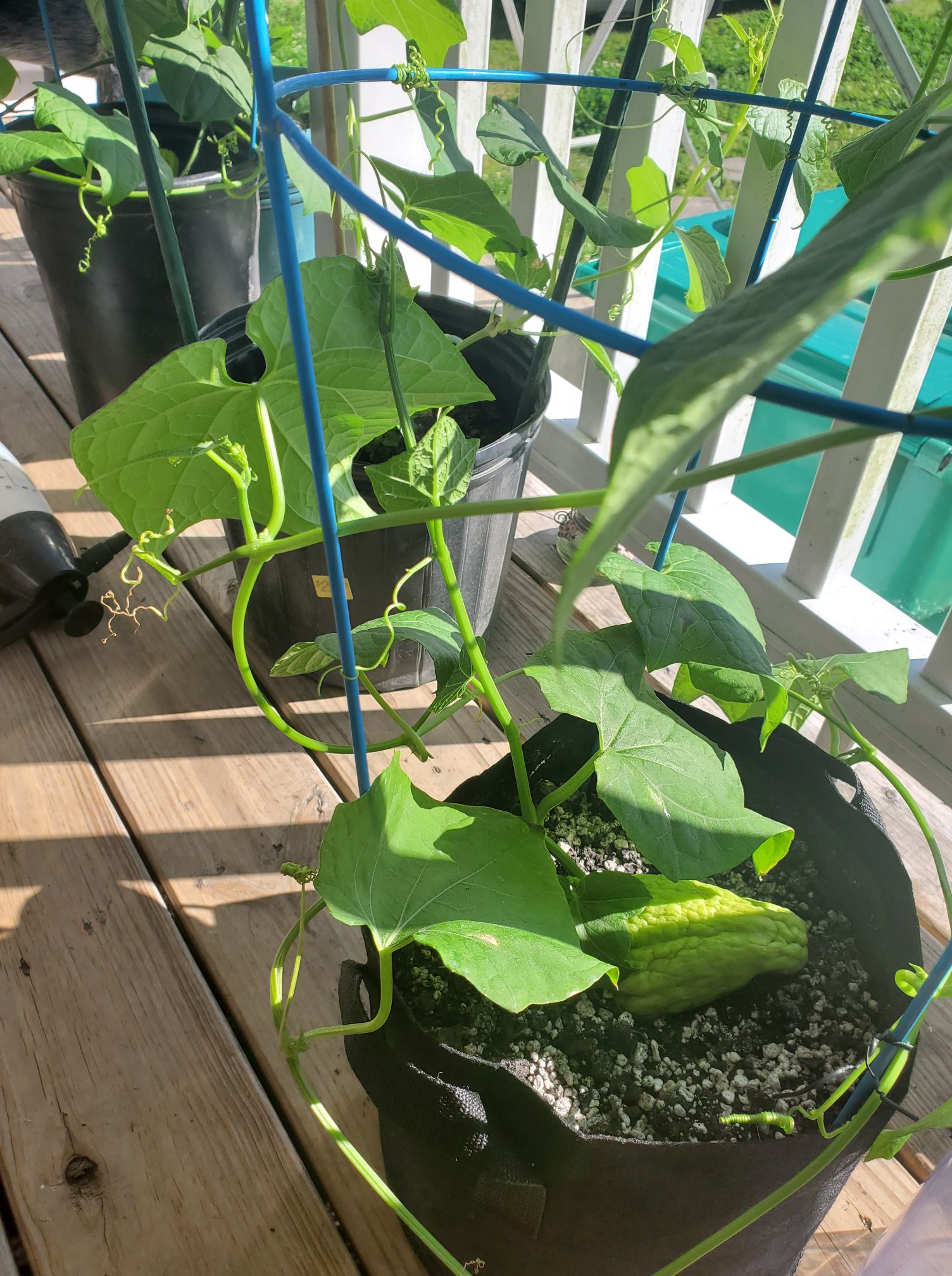
Mirlitons trellised on tomato cages.
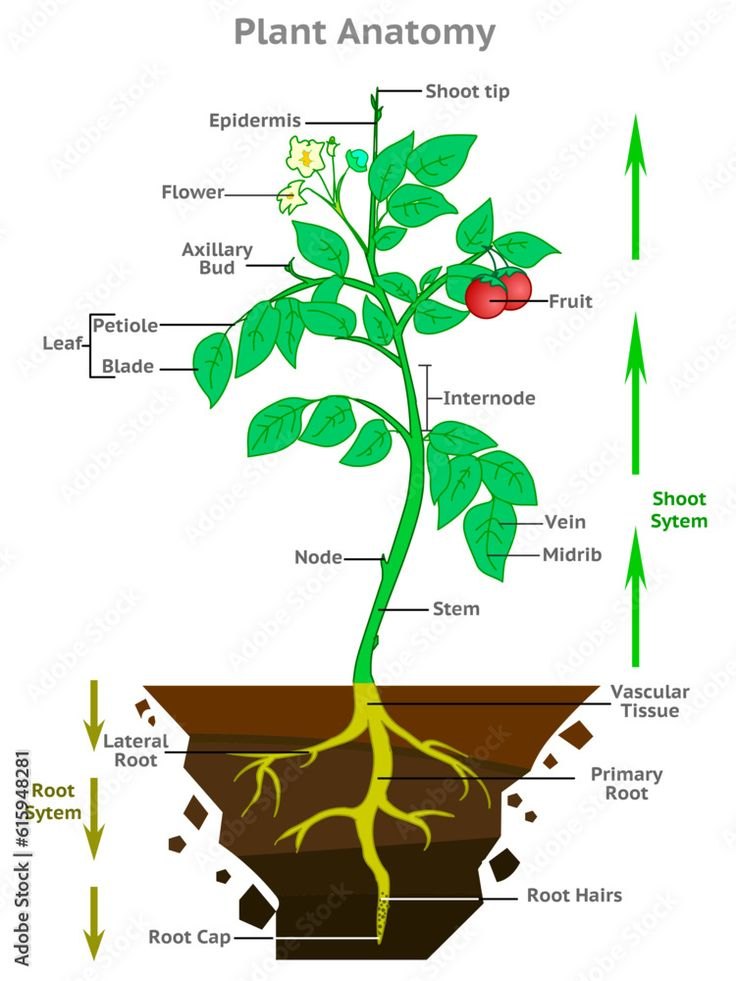
If you choose to prune the plant to keep it compact — rather than trellis it — you can cut back the top growth, but leave at least three nodes with shoots above the soil line.
5. Give the container plant as much sun as possible, preferably outside, and bring it in when temperatures drop below 42 °. If you have rodent problems, protect it with a wire cage:
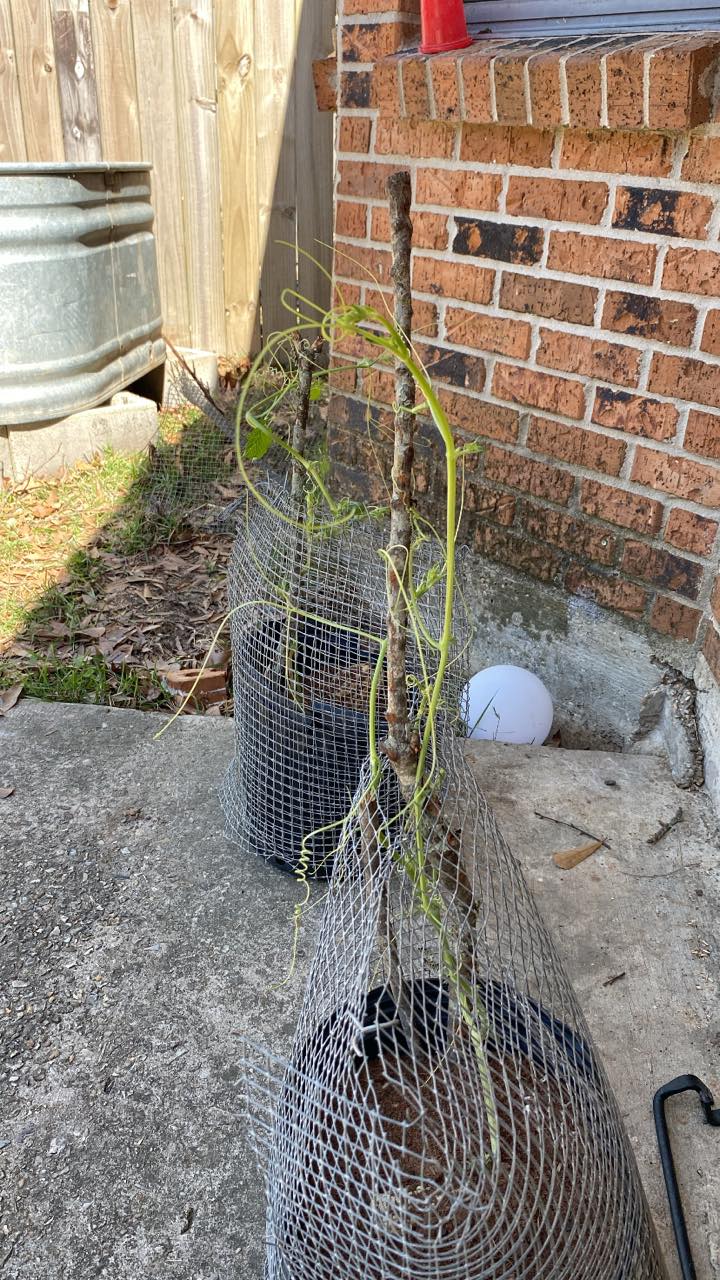
Steel wire squirrel protection. Make the mesh guard at least 3′ high to protect new growth. Wire mesh can also be used with ground plantings to prevent rodents from digging up the vine.
6. Transplanting: If you don’t want a spring crop, transplant your container plant into your ground site or raised bed in April after the threat of frost. If you want a spring crop, you need to transplant in the first week of March. Be prepared to cover it with a bucket or tarp in case of a frost. Harden it off for a few days before transplanting into full sun. See the Quick Guide for instructions on building a grow site and general procedures for watering, fertilization, shading, and plant pests and diseases. Join the national mirliton gardeners Facebook Group to post questions and follow the progress of other Mirliton gardeners here.
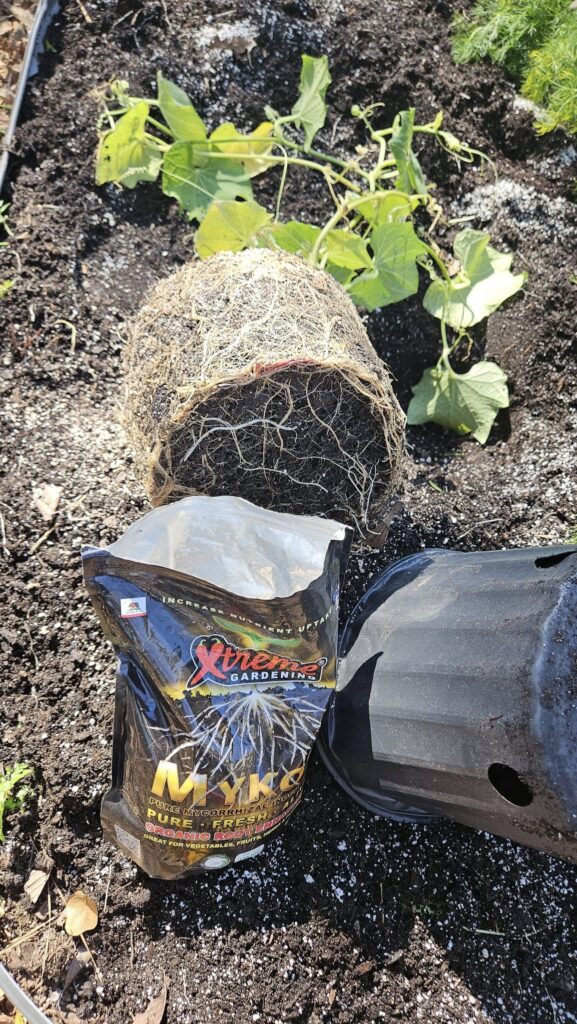
Well-developed root ball on a 3-gallon plant ready to transplant into the ground.
Recent Comments