Update on the Ishreal Thibodeaux White Mirliton Preservation Project – August/September 2020
By David J. Hubbell
Background:
On June 20th, 2020, Mirliton.org announced the we were kicking off the Ishreal Thibodeaux White Mirliton Preservation Project in an attempt to bring back, from the brink of extinction, this rare ivory white variety of the mirliton grown and cared for over four decades by Opelousas, Louisiana’s Ishreal Thibodeaux. If you haven’t already check out the Update on the Ishreal Thibodeaux White Mirliton Preservation Project – July 2020 please do so here: https://www.mirliton.org/2020/08/10/update-on-the-ishreal-thibodeaux-white-mirliton-preservation-project-july-2020/ . It contains an in depth look at all of our growers and efforts for the start of the project.
The month of August was basically one in which the growers were nurturing their potted mirlitons to encourage growth and good root development as well as protect against the summer elements…including hurricanes! In addition, the two Louisiana growers with vines in the ground also worked to protect these so that they could thrive despite the aforementioned elements. September was our anticipated month to have the mirlitons in the ground to shoot for a small fall crop.
First off, it was good to hear that our Carolina growers fared well with Hurricane Isaias.
Chris Smith’s sprouts in Ashville, North Carolina were coming along nicely in early August and was hoping to be on course for the September planting. However, he noted on September 23rd, the mirliton were still “alive but small and still in containers. We’ve hit a low of 40F here already so I’m taking precautions. I’ve taken a cutting and sent it to a heated greenhouse in Charlotte where it should overwinter quite happily. I’ll keep mine in containers and move them inside as well as taking extra cuttings as the vines grow. The ‘season’ here is to grow early in spring, set out in summer and harvest in fall. Hopefully we’ll see that pattern in 2021…”

Image 1. The first of two potted mirliton Chris Smith and his group are nurturing.
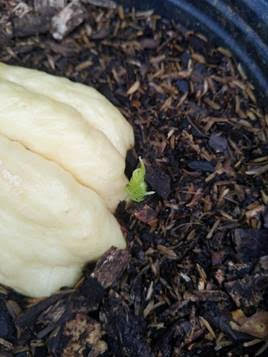
Image 2. The second of Chris’ two potted mirliton. This one was just starting to sprout.
At the end of August, Keith Mearns plants were also doing great in Columbia, South Carolina. He reports “Both my plants are doing well. One started later than the other and is about 12” long. The large one is now beginning to branch from lower buds. “
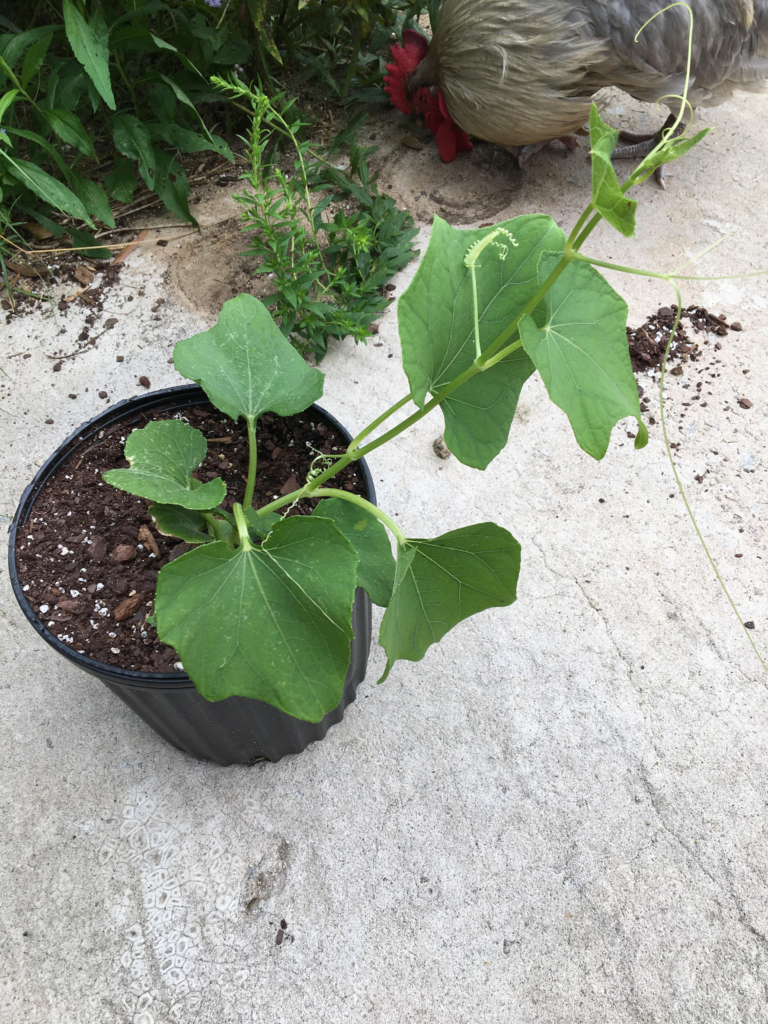
Image 3. The first of two potted mirliton Keith Mearn’s and his rooster are nurturing.
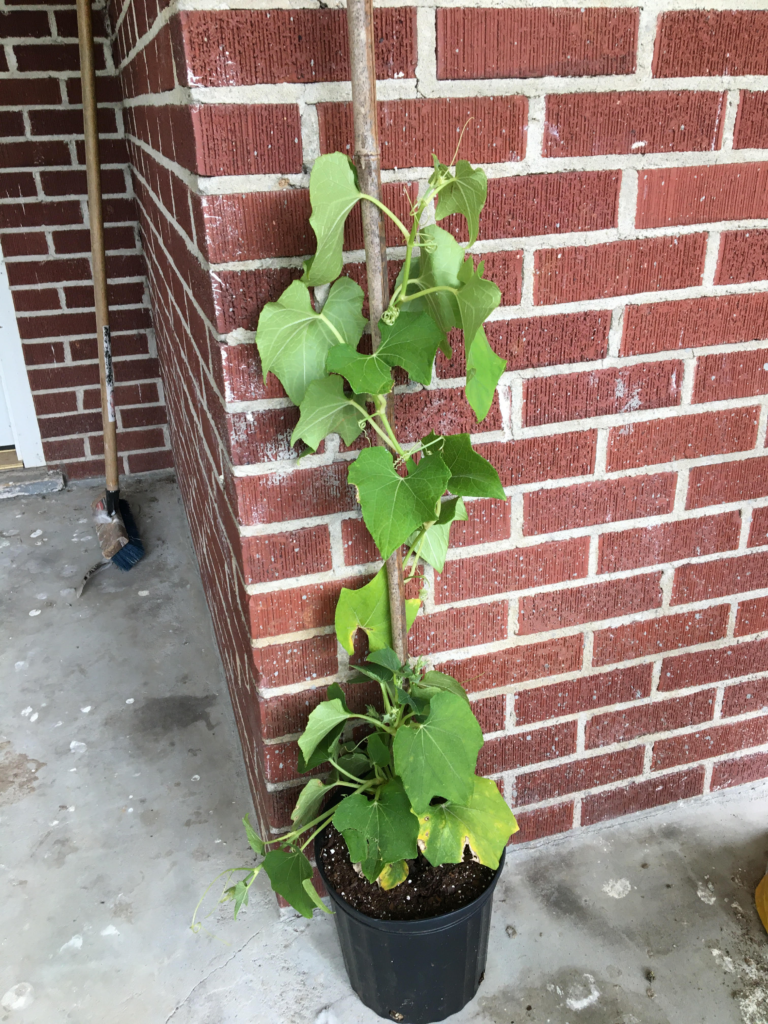 Image 4. The second of Keith’s two potted mirliton. This one is doing well!
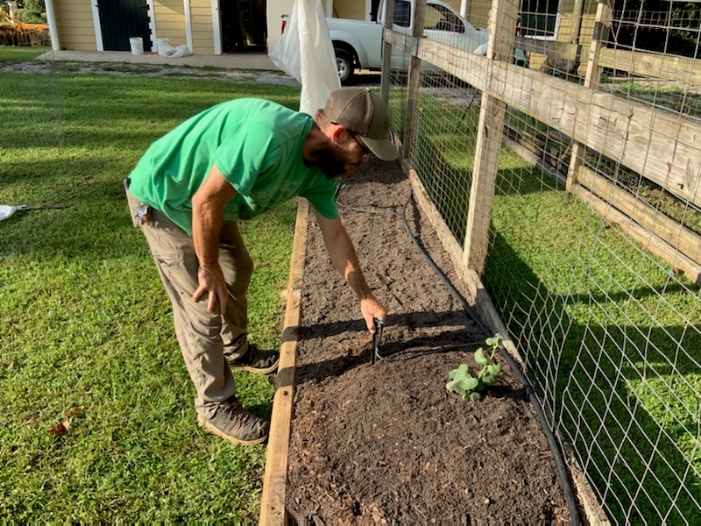
Keith reported the following on September 16th, “In anticipation of some decent rain, I planted one of my plants today on one of the trellises I sent photos of. I’m thinking that I’m going to up-pot the other plant into a 15gal pot and keep it in my heated cold frame greenhouse. I’ve also just stuck a few cuttings to see how they do.”
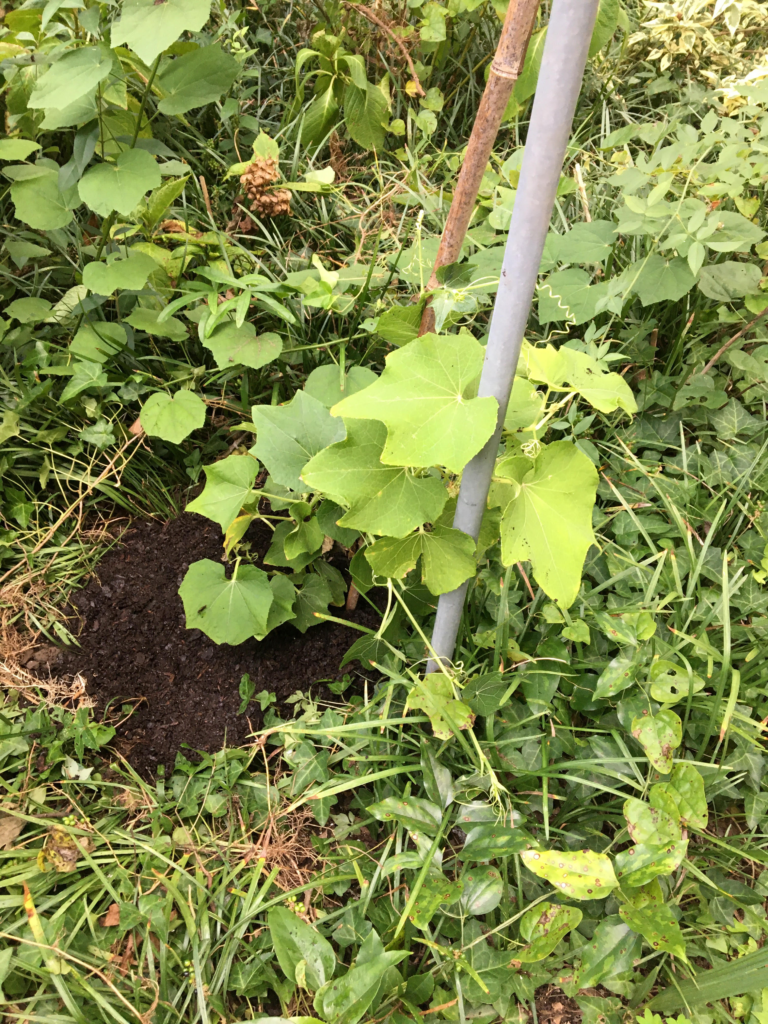 Image 5. Keith’s planted mirliton.
James Cobb’s vines in Houma were really thriving at the beginning of August and he states this one is in a “10 gallon nursery pot and the top of the cage is 6′. Tallest plant is now at the 4′ ring or about 3-1/4′ above the soil. The fruit on that one is still very firm. The other fruit basically rotted but the plant itself is doing well, but not as tall as the other, but does have a couple of new shoots coming up from the bottom.”
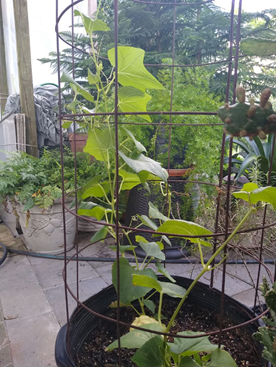
Image 6. James’ potted mirliton doing well in early August.
Then our Louisiana growers had to deal with a double whammy the last week of August: Marco and Laura. While Marco seemed a relative non-event to some, Laura did some major damage to the west side of the state. One of the Ishreal Thibodeaux growers not in the first group of official growers unfortunately lost hers during Laura.
In an effort to protect his plant, James lashed himself to the plant during the storm as seen here. 😉 In reality he was showing the incredible growth his vine had seen in a three-week period.
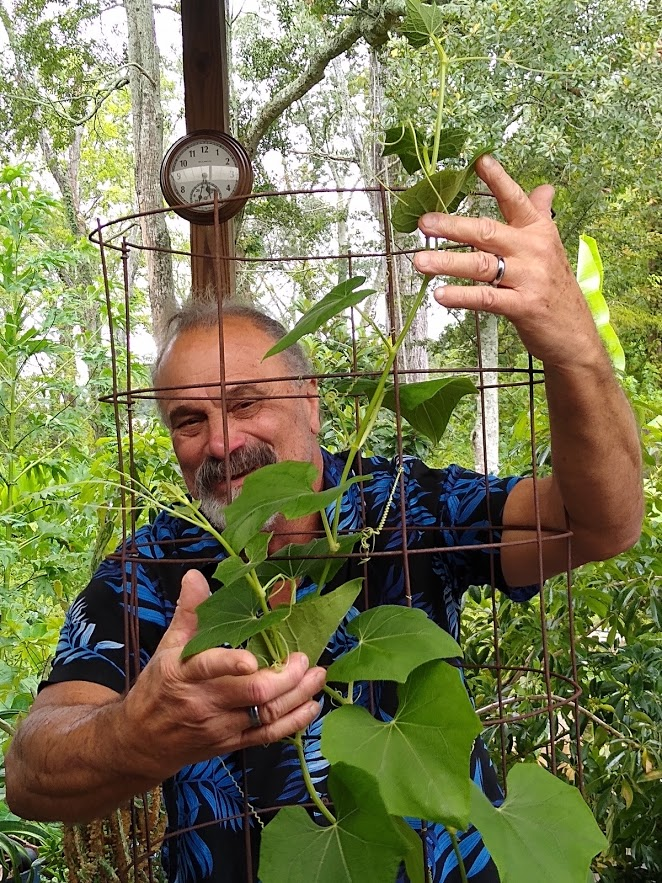
Image 7. James’ “lashing” himself to the potted mirliton before the arrival of Laura.
Luckily for us, Paul D’Anna and Chef John Folse didn’t see any damage on their ends from the storms.
Chef John, shared these updates early in August on his plants in the pots that were also looking fantastic.
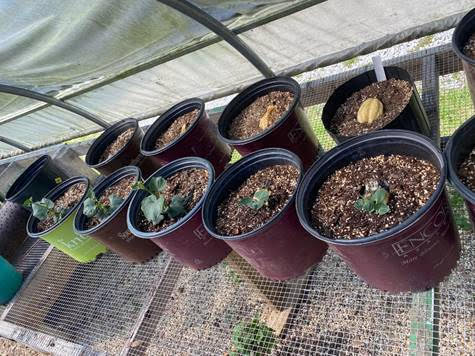
Image 8. John Folse’s potted mirlitons in his greenhouse in Baton Rouge.
By September 6th, Chef John and his Gardener Brian Ainsworth had planted a few more Ishreal Thibodeaux’s at White Oak Estates and Gardens.
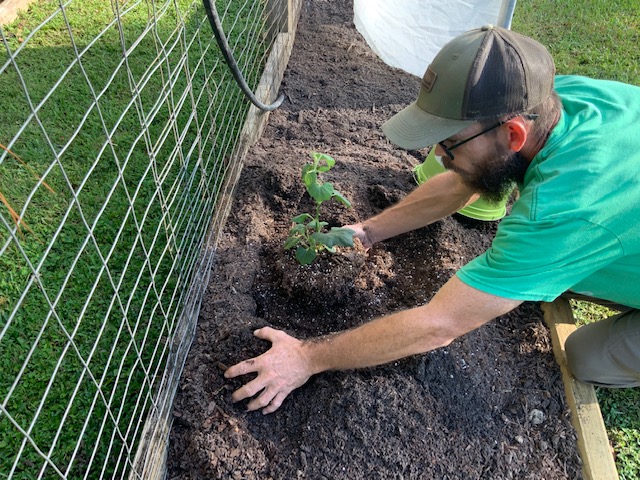
Image 9. Brian Ainsworth planting more mirlitons at White Oak Estates and Gardens in Baton Rouge.
The newly planted mirliton from earlier in the summer were also doing quite well on September 22nd in Baton Rouge.
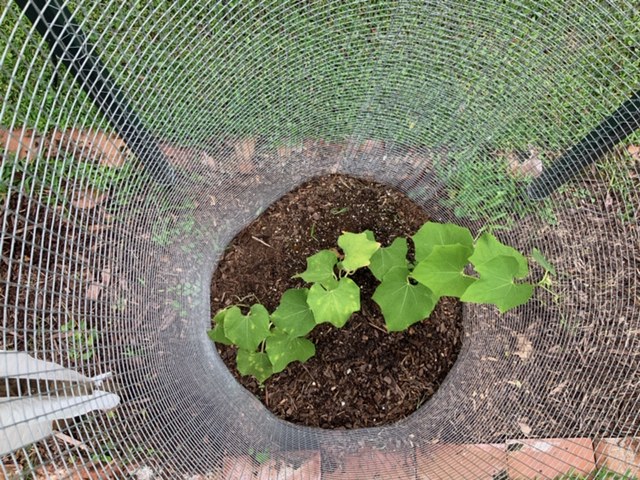
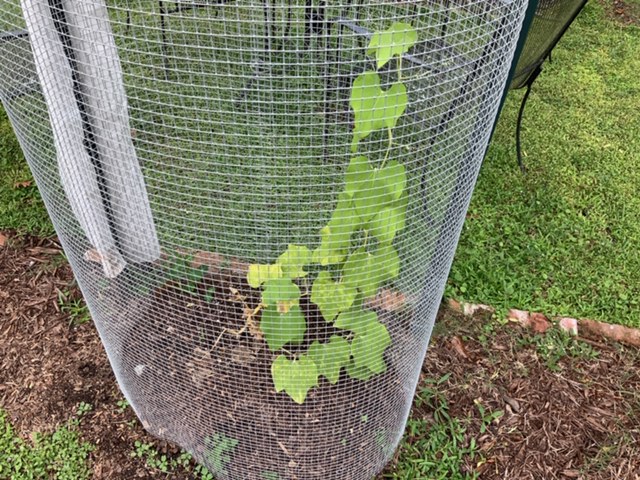
Image 10. The Ishreal Thibodeaux mirlitons planted earlier this summer at White Oak Estates & Gardens.
From my end, my seed mirliton started to drop the “embryo”, and while I expected to see sprouting, none occurred. Lance Hill noted that “The tendency for spring mirlitons to not sprout was first identified by Ervin Crawford. This is a little-understood quality called “parthenocarpy”: a fruit that sets and grows but does not contain a fertilized seed “embryo”). There is almost nothing in the literature on this but it means we best wait for fruit to sprout before we give them out as seed.
I assumed that it was a fluke, but I just read that some plants deliberately produce parthenocarpic fruit to distract herbivores. Animals prefer fruit that has not sprouted because sprouted fruit is filled with roots that consume moisture. “
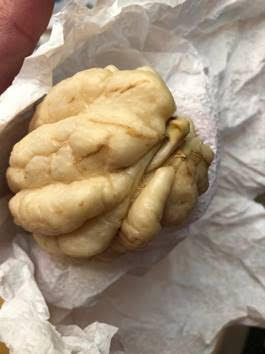
Image 11. David Hubbell’s seed mirliton not doing so well in early August.
Since mine wasn’t looking too great, I received one of the extra potted vines from Chef John to plant in Mobile by the first week of October.
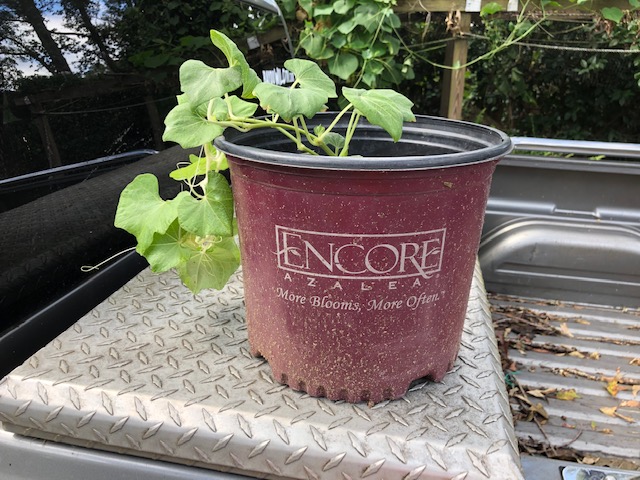
Image 12. Potted vine to be planted in Mobile.
Education and Inspiration Through Food:
Chef John and I had planned to do some more videos in August, but unfortunately the dual hurricanes caused us to delay this effort. However, a friend of mine, Jaime Callahan of Buddy’s Cajun Spice did release his Cajun Stuffed Mirleton Slipper recipe on Youtube that looks pretty good. Please check it out:
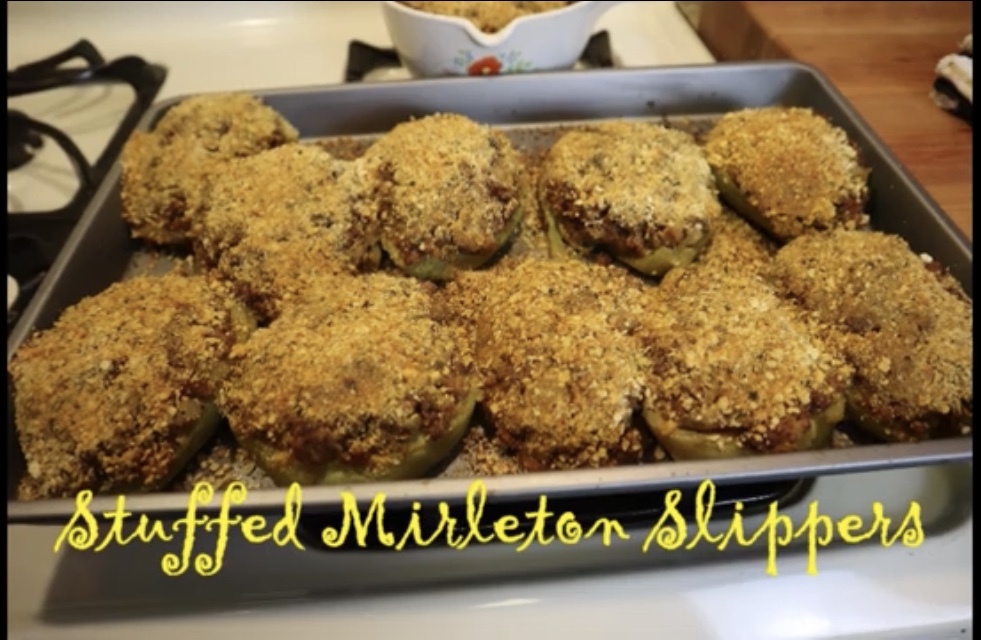
Image 13. Jaime Callahan’s Cajun Stuffed Mirelton Slippers https://youtu.be/6Goqi8ncJMM
Closing Thoughts for Effort So Far:
This second update hopefully showcased the efforts needed to nurture and protect potted mirlitons against the elements for a Fall planting. As I write this in late September, we know that the heat and humidity are just starting to let up along the Gulf Coast. Hopefully the next report will detail further updates and showcase more of the planted efforts of the various growers as the vines adjust being in the soil and focus on hopefully what will be a successful but possibly small first crop.
If you have any comments, questions, or suggestions, please send them to me David J. Hubbell at rpcajun2r@gmail.com. Thank you.