How to Plant a Spring Sprout to Prepare for a Fall Planting

by | Jul 1, 2024 | How To, Mirliton | 0 comments

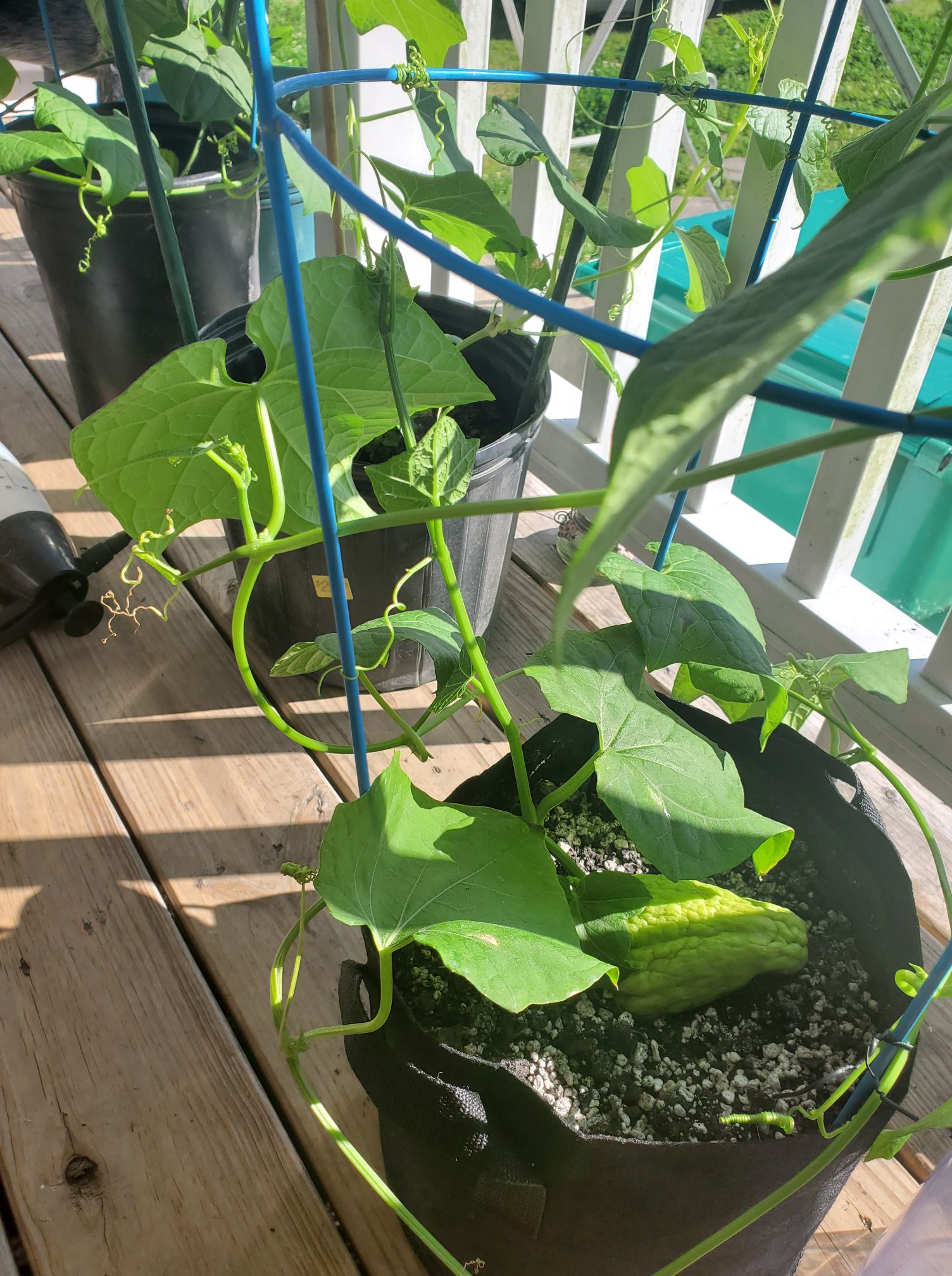
Here’s a proven method of planting a spring sprout that you got too late for ground planting. Homer Baham told us about this simple method of container planting the mirliton for the summer and transplanting it into the ground in the fall.  Then he mulches it for the winter and it comes back and produces a spring crop. Here’s what Homer writes:

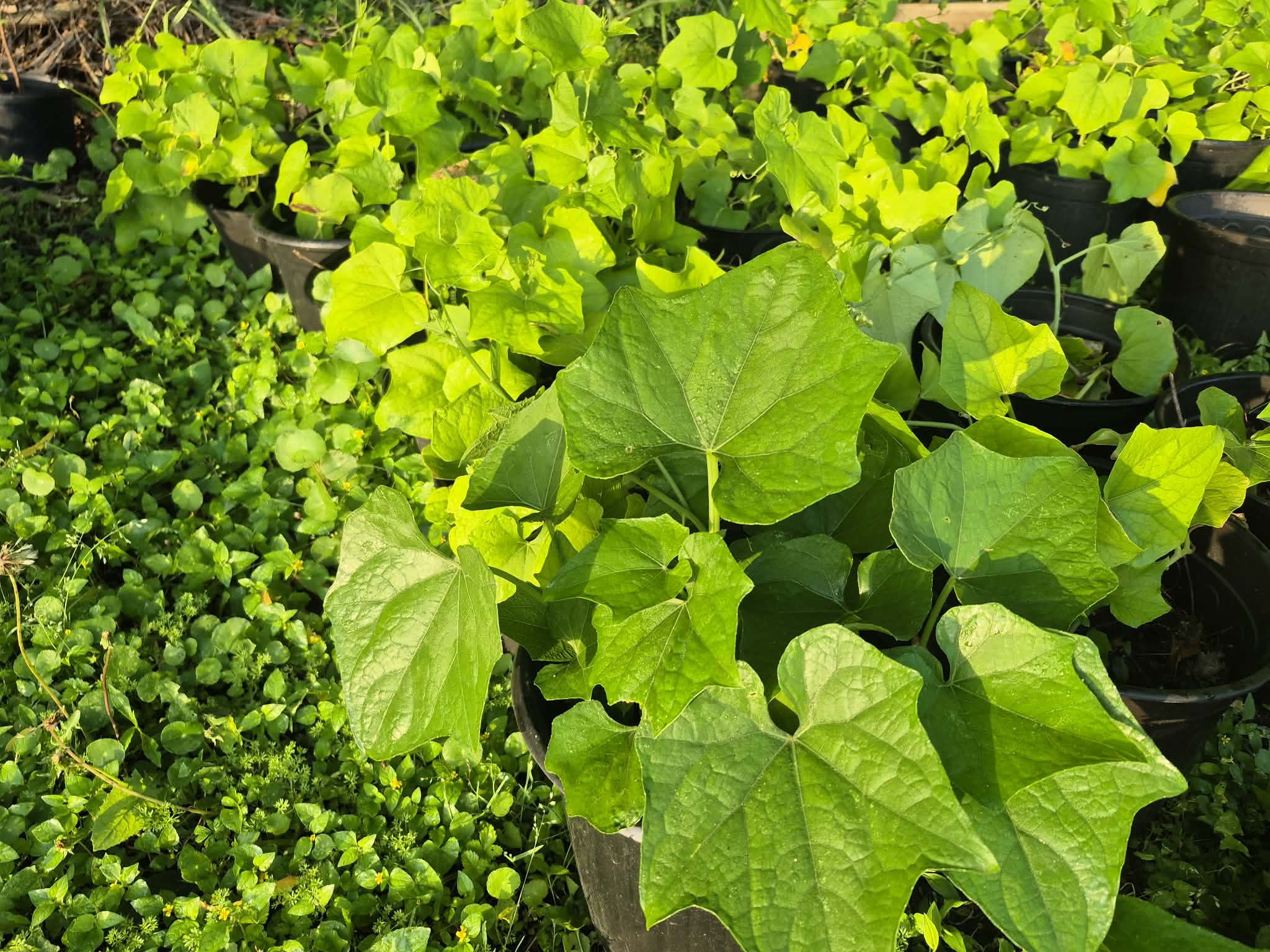
“I have successfully done this many times,  including last year after losing my 6-year-old vines in the heat dome. You should plant the sprouts in two-gallon pots and let them root and grow in the pots throughout the summer (they can be pruned back if necessary). After the 1st of September when the worst of the summer heat is over, plant them into a prepared raised bed garden or your garden. After they get over the transplant shock (1 to 2 weeks),  they will start growing. 

Feed them weekly with water-soluble miracle grow. Let them grow and vine wherever they will (you can use a tomato cage if necessary). They should show prolific growth. You will not get a fall crop but may see flowering. This allows the plants to establish a good root system. Before the first predicted fall frost, cut them back to 4 to 6 inches and cover them with 12-14 inches of leaves. ( I put an inverted plastic flower pot over them so I can find them later without damaging them).

In January when we start getting warm days, uncover them and expose them to the sun and warm weather. Water them and feed them with Miracle-Gro. Be prepared to cover them back up in the event of frost or freeze but leave them exposed as long as no frost or freeze. You should see growth very soon. Let them vine and grow, caring for them as normal with regular feedings and adequate water. Stop feeding the plant in April and you see them flowering and setting fruit by May. 
 I have never missed getting some spring crop when I follow this procedure!”

Recent Posts

Mirliton Waterlogging: Symptoms and Quick Treatments

Mirlitons don't like wet feet. They spent some 26 million years evolving on the mountainsides of Mexico and Central America, where rain races downhill and barely gets a chance to soak into the porous slope soil before it's gone. Our job as growers is to recreate those...

How We Diagnose Mirliton Diseases and Problems

Overview: As most of you know, I provide free diagnosis and treatment for mirliton plant diseases and problems to this group. I’m also training Tedra Stanley and Michelle Impastato Glore to do the same. I’m not a formally trained plant pathologist, but have learned...

DeBay Hydroponic Method for Growing Mirlitons (Chayote)

  A Cool Weather Hydroponic Method of Growing Mirliton (Chayote) Vines and Fruit in a 55 Gallon Blue Barrel Perfected use of “Kratky Method” by William DeBay, on location in Haverhill, Florida The following method was used in a 95-day period from January 10,...

How to Use a Soil Sampler to Prevent Watering Problems in Mirlitons

If you felt feverish and wanted to check your temperature, you wouldn't guess; you would get a thermometer and take your temperature. Your garden soil is no different, and we now have a way to determine exactly how much soil moisture your mirliton has available: the...

Checklist for Transplanting a Containerized Mirliton Plant

  Checklist for Transplanting a Containerized Mirliton Plant ✔ Harden off the potted plant before transplanting--or erect a shade cloth for the first week ✔  Plant in fast-draining,  composted soil ✔  Add manure or slow-release fertilizer ✔ ...

Vineguard: Protection From Sun, Rain, and Frost.

  Here’s an idea. Design an arched trellis structure to protect mirlitons from excessive rain, solar radiation, and cold. I call it a Vineguard. It can be used to shunt rain away from the beds, shield the vine from intense heat, and protect it from frost. ...